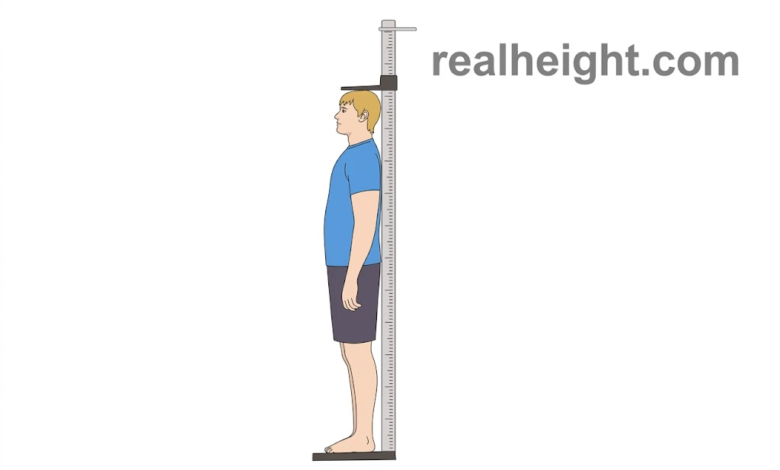
Understanding a person’s true physical stature is more complex than it may seem at first glance. Many people assume that height is a fixed and simple number, but in reality, it can vary depending on several factors such as posture, time of day, measurement method, and even footwear. This is where the concept of real height becomes important. It refers to a person’s accurate, natural height without any external influences or exaggerations.
In this detailed guide, we will explore what determines a person’s actual stature, how it is measured correctly, what affects it, and why it matters in different areas of life.
What Does Real Height Mean?
Real height is the true measurement of a person’s body from the base of the feet to the top of the head when standing straight, without shoes or any form of enhancement. It excludes factors like:
- Shoes or heels
- Hair styling that adds extra height
- Poor posture or slouching
- Temporary spinal compression or stretching
This measurement is typically taken under standardized conditions to ensure accuracy.
Why Accurate Height Measurement Matters
Knowing your exact height is useful in many aspects of life. It is not just about curiosity; it plays a role in health, fitness, and even professional requirements.
Key Areas Where Height Matters
- Medical assessments: Doctors use height to calculate BMI and monitor growth.
- Sports and fitness: Certain sports require height categories or advantages.
- Clothing and fashion: Proper sizing depends on accurate measurements.
- Identification records: Official documents often require precise height details.
Factors That Affect Height Measurement
Height is not as constant as people think. Several factors can cause slight variations throughout the day.
1. Time of Day
You are usually taller in the morning. During sleep, the spine decompresses, making you slightly taller. As the day progresses, gravity compresses the spine.
- Morning: Maximum height
- Evening: Slightly reduced height
2. Posture
Standing straight with shoulders back and head aligned gives a correct measurement. Slouching can reduce your visible height by 1–2 inches.
3. Footwear
Shoes, especially those with thick soles or heels, can add several centimeters to your height, which is not part of your natural measurement.
4. Measurement Technique
Using improper tools or incorrect positioning can lead to inaccurate results. A wall-mounted stadiometer is considered the most reliable method.
How to Measure Height Correctly
To determine your true stature, follow these steps:
- Stand barefoot against a flat wall
- Keep your heels, back, and head touching the wall
- Look straight ahead with your chin parallel to the ground
- Use a flat object (like a book) placed on your head
- Mark the point on the wall and measure from the floor
This method ensures consistency and accuracy.
Standard Height Measurement Table
Below is a general reference table showing height conversions:
| Measurement Type | Value |
|---|---|
| 1 inch | 2.54 cm |
| 1 foot | 30.48 cm |
| 5’5″ | 165.1 cm |
| 5’8″ | 172.7 cm |
| 6’0″ | 182.9 cm |
This table helps convert between different units commonly used worldwide.
Average Height Around the World
Height varies across countries due to genetics, nutrition, and environmental factors.
Global Average Heights
| Region | Male Average | Female Average |
|---|---|---|
| North America | 5’9″ (175 cm) | 5’4″ (162 cm) |
| Europe | 5’10” (178 cm) | 5’5″ (165 cm) |
| Asia | 5’7″ (170 cm) | 5’2″ (157 cm) |
| Africa | 5’8″ (173 cm) | 5’3″ (160 cm) |
These numbers represent averages and can vary within populations.
Genetics and Height
Genetics play the biggest role in determining how tall a person will be. If both parents are tall, there is a higher chance their child will also be tall.
Genetic Influence
- Around 60–80% of height is determined by genetics
- Remaining factors include nutrition and lifestyle
A simple formula often used to estimate a child’s height:
- Boys: (Father’s height + Mother’s height + 5 inches) ÷ 2
- Girls: (Father’s height + Mother’s height – 5 inches) ÷ 2
Nutrition and Growth
Proper nutrition during childhood and adolescence is crucial for reaching full height potential.
Important Nutrients
- Protein: Helps in tissue growth
- Calcium: Strengthens bones
- Vitamin D: Aids calcium absorption
- Zinc: Supports growth hormones
Poor nutrition can limit growth even if genetics favor taller stature.
Can Height Be Increased?
Many people search for ways to increase their height, especially after puberty. However, the truth is:
- Natural growth usually stops after late teens
- Growth plates close, preventing further increase
What Can Help?
- Good posture
- Stretching exercises
- Healthy lifestyle
These do not increase bone length but can improve appearance and maximize your visible height.
Common Myths About Height
There are many misconceptions surrounding height.
Myth vs Reality
| Myth | Reality |
|---|---|
| Hanging increases height | No scientific proof |
| Supplements can make you taller | Mostly ineffective after puberty |
| Height is fixed all day | It varies slightly |
| Shoes reflect actual height | They add artificial height |
Understanding these myths helps avoid false expectations.
Height in Daily Life
Height often influences perception and confidence, even though it does not define a person’s abilities.
Social and Psychological Impact
- Taller individuals are sometimes perceived as more authoritative
- Shorter individuals may focus more on other strengths
- Confidence matters more than physical stature
In reality, success depends on skills, mindset, and determination.
Height and Health
Height can also be linked to certain health conditions.
Health Considerations
- Extremely short stature may indicate growth disorders
- Excessive height can be linked to hormonal conditions
- Balanced growth is a sign of good health
Doctors often track height over time to monitor development.
Digital Age and Height Accuracy
In today’s online world, many profiles list exaggerated heights, especially in entertainment and social media. This creates confusion about what is accurate.
That is why understanding real height is important—it separates fact from assumption.
Tips to Maintain Proper Posture
Improving posture can help you present your true stature effectively.
- Keep shoulders back
- Align ears with shoulders
- Engage core muscles
- Avoid prolonged slouching
Good posture not only improves appearance but also supports spinal health.
Measuring Children’s Height
For children, tracking growth is essential.
Growth Monitoring Tips
- Measure every 3–6 months
- Use the same method each time
- Compare with growth charts
Consistent tracking helps identify any potential issues early.
Height and Sports
Different sports favor different height ranges.
Examples
- Basketball: Taller players have an advantage
- Gymnastics: Shorter height can be beneficial
- Running: Varies depending on type
Height can influence performance, but skill and training are more important.
Final Thoughts
Understanding your true stature goes beyond just a number. It involves accurate measurement, awareness of influencing factors, and acceptance of natural variation. While many people focus on appearing taller, what truly matters is maintaining a healthy body and confident mindset.
By focusing on proper measurement techniques, good posture, and a healthy lifestyle, you can ensure that your real height is represented accurately in everyday life.