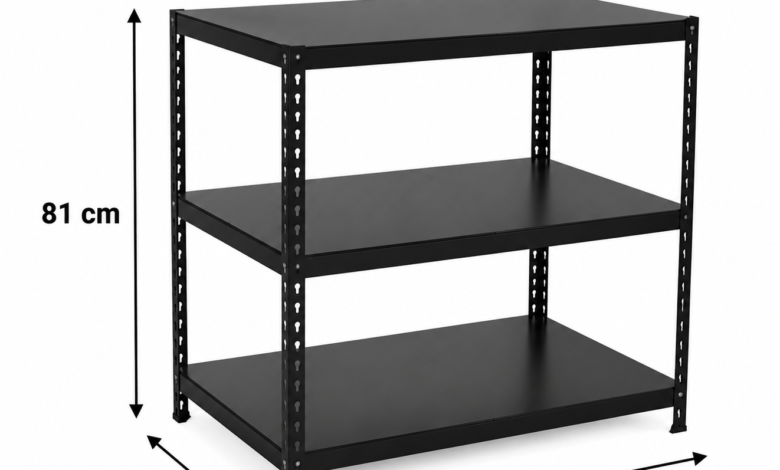
When evaluating technical components, industrial hardware, or specialized structural enclosures, precise dimensions dictate both functionality and compatibility. The designation 81x86x77 represents a highly specific volumetric footprint (typically denoting length, width, and height in millimeters) widely utilized across engineering, electronics manufacturing, and heavy-duty logistics.
Selecting the correct spatial configuration ensures optimal performance, structural integrity, and seamless integration into larger systems. This comprehensive analysis explores the technical specifications, primary applications, material compositions, and critical installation practices associated with this precise dimension standard.
Technical Specifications and Spatial Dynamics
The numbers 81x86x77 define a three-dimensional object with a well-balanced, near-cubical aspect ratio. In industrial design, maintaining these exact proportions is critical for spatial efficiency and mechanical stability.
Dimensional Breakdown
To understand how this configuration fits into modern engineering blueprints, it is helpful to look at the exact measurements across different units of compliance:
| Measurement Metric | Dimension X (Length) | Dimension Y (Width) | Dimension Z (Height) |
| Millimeters (mm) | 81 mm | 86 mm | 77 mm |
| Centimeters (cm) | 8.1 cm | 8.6 cm | 7.7 cm |
| Inches (in) | 3.19 in | 3.39 in | 3.03 in |
Volumetric and Geometric Properties
With a total external volume of approximately 536,538 cubic millimeters ($536.54\text{ cm}^3$), this footprint offers a compact yet substantial internal capacity. The structural geometry provides several mechanical advantages:
- Load Distribution: The minimal variance between length, width, and height ensures that external physical stress or pressure is distributed relatively evenly across all axes.
- Thermal Dissipation: For internal electronics or mechanical parts, this specific volume provides an ideal surface-area-to-volume ratio, allowing heat to escape efficiently without requiring excessive external cooling infrastructure.
- Vibration Resistance: Shorter, more compact structures inherently possess higher natural frequencies, making components of this size less susceptible to harmonic resonance in high-vibration environments like automotive engines or industrial assembly lines.
Primary Applications Across Industries
The 81x86x77 configuration serves as a foundational standard across several major sectors. Its balance of portability and internal volume makes it a go-to choice for engineers worldwide.
+———————–+
| 81x86x77 Applications |
+———–+———–+
|
+———————-+———————-+
| | |
+——v——+ +——v——+ +——v——+
| Electronic | | Industrial | | Automotive |
| Enclosures | | Automation | | & Aerospace |
+————-+ +————-+ +————-+
1. Electronic Enclosures and Junction Boxes
In electrical engineering, protecting delicate circuitry from dust, moisture, and accidental impact is paramount. Enclosures measuring 81mm by 86mm with a depth of 77mm are perfectly sized to house printed circuit boards (PCBs), small power supplies, and terminal blocks. The 77mm depth is particularly valuable, as it allows for the installation of multi-layered PCBs or stacked rail systems without crimping internal wiring.
2. Industrial Automation and Din-Rail Modules
Modern factories rely on dense arrays of control modules, relays, and programmable logic controllers (PLCs). Components adhering to the 81x86x77 standard fit seamlessly into standardized control cabinets. They optimize panel space, ensuring that technicians can maximize the number of control channels within a single master switchboard.
3. Automotive and Aerospace Components
Weight and space are premium commodities in vehicles and aircraft. Sensors, fluid reservoirs, and electronic control units (ECUs) designed around this footprint maximize internal capacity while fitting into the tight, irregular spaces found under hoods or inside fuselage panels.
4. Heavy-Duty Hardware and Fasteners
Beyond housings, this volumetric standard is frequently found in heavy-duty mechanical hardware, such as mounting brackets, heavy industrial hinges, and specialized bearing blocks designed to support substantial physical loads in automated warehousing systems.
Material Compositions and Environmental Ratings
The physical capability of any component built to these dimensions depends heavily on the materials used in its construction. Depending on the operational environment, manufacturers utilize diverse material profiles.
Polycarbonate and ABS Plastics
For lightweight, non-conductive, and cost-effective solutions, high-impact ABS or polycarbonate is favored.
- ABS offers excellent impact resistance and toughness for indoor industrial machinery.
- Polycarbonate provides superior UV resistance and flame-retardant properties, making it ideal for outdoor electrical junctions exposed to harsh sunlight and weather elements.
Die-Cast Aluminum and Stainless Steel
When extreme durability, electromagnetic shielding (EMI), or thermal conductivity is required, metals are the standard choice.
- Die-Cast Aluminum components provide robust physical protection while acting as a natural heat sink for internal components.
- Stainless Steel (304 or 316 Grade) is utilized in environments requiring strict hygiene or chemical resistance, such as food processing plants, medical laboratories, and marine applications.
Environmental Ingress Protection (IP) Ratings
Components manufactured to these exact dimensions often carry specific ingress protection ratings to certify their resilience against external elements:
IP65 Rating: Dust-tight and protected against water jets projected from any angle. Ideal for standard manufacturing floors.
IP67/IP68 Rating: Completely dust-tight and capable of withstanding complete immersion in water. Vital for marine, agricultural, and heavy outdoor industrial use.
Manufacturing Process and Quality Control
Producing components with an exact 81x86x77 profile requires sophisticated manufacturing techniques to ensure tolerances remain within fractions of a millimeter.
High-Precision Injection Molding
For polymer-based housings, computer-controlled injection molding presses molten plastic into highly accurate steel molds. The cooling cycle must be meticulously managed; uneven cooling can cause warping, which would alter the critical dimensions away from the required standard.
CNC Machining and Die-Casting
For metallic variants, automated CNC milling machines shape aluminum or steel blocks with extreme accuracy. Alternatively, high-pressure die-casting forces molten metal into a die cavity under significant pressure, ensuring smooth surfaces and precise geometric edges.
Quality Assurance Testing
To achieve certification, production batches undergo rigorous verification protocols:
- Coordinate Measuring Machine (CMM) Inspection: Laser scanners verify that the length, width, and height match the technical blueprint perfectly.
- Environmental Stress Screening (ESS): Components are subjected to rapid temperature cycling to ensure the material does not contract or expand beyond acceptable structural limits.
- Drop and Impact Testing: Simulates real-world workplace accidents to confirm that structural joints and corners do not fracture under sudden force.
Structural Integration and Installation Practices
Integrating an 81x86x77 component into an existing system requires careful planning regarding mounting, cable entry, and clearance.
[Top View Clearance Diagram]
|<——– 86 mm ——–>|
—+————————-+— ^
| | | | |
| | Internal Space | | |
| | | | 81 mm
| | | | |
| | | | |
—+————————-+— v
|<– 5mm Wall Clearance –>|
Mounting Methods
Most units featuring these dimensions utilize one of three primary mounting strategies:
- Surface Mounting: Integrated flanges on the exterior base allow the unit to be screwed directly onto walls, machinery frames, or vehicle chassis.
- DIN Rail Mounting: Specialized clips on the 86mm side allow for quick snapping onto standard TS35 rails commonly found in electrical control panels.
- Internal Thru-Hole Mounting: Screw channels located inside the four corners of the unit allow for a cleaner external aesthetic while protecting the mounting screws from tampering.
Thermal and Spatial Clearance Guidelines
While the 77mm height offers excellent depth, proper air circulation must be maintained if the internal components generate heat. Industry best practices recommend maintaining a minimum clearance of 10mm around all sides of the unit when installed next to high-temperature machinery to prevent heat trapping.
Comparative Advantage: Choosing the Right Standard
When designing a system, engineers often choose between several close dimensional standards. Understanding why the 81x86x77 footprint is selected over slightly smaller or larger alternatives highlights its unique design advantages.
Comparison with Alternative Standards
| Standard Dimension (mm) | Total Volume (cm3) | Best Suited For | Primary Structural Limitation |
| 75 x 75 x 50 | 281.25 | Ultra-compact sensors, basic relays | Limited vertical depth for layered components |
| 81 x 86 x 77 | 536.54 | Multi-layer PCBs, heavy-duty switches, compact ECUs | Requires precise spatial planning in tight arrays |
| 100 x 100 x 90 | 900.00 | Large power supplies, modular controllers | Excessively bulky for minimalist modern machinery |
The data demonstrates that this specific standard occupies a crucial middle ground. It provides nearly double the volume of ultra-compact boxes without requiring the extensive panel space demanded by larger 100mm alternatives.
Future Trends and Market Outlook
As global industries shift toward smart manufacturing, internet-of-things (IoT) integration, and miniaturization, the demand for highly optimized physical profiles continues to rise.
The Rise of Smart Infrastructure
Modern industrial components are no longer passive boxes or brackets; they increasingly contain embedded sensors, wireless communication modules, and diagnostic chips. The balanced proportions of this structural profile provide the necessary room to house both the primary mechanical apparatus and the secondary smart electronics required for predictive maintenance.
Sustainable Material Adoption
In response to global environmental initiatives, manufacturers are transitioning away from traditional fossil-fuel-based plastics. The next generation of components built to these dimensions will increasingly utilize bio-based polyamides, recycled marine plastics, and lightweight eco-friendly aluminum alloys, reducing the overall carbon footprint of industrial assembly lines without compromising structural performance.
Conclusion: Engineering Precision
In the realm of industrial hardware and system architecture, success relies on exact measurements. The 81x86x77 dimension standard offers an optimal blend of compact external sizing and spacious internal volume. Whether deployed as a secure electrical housing, an automation module, or a robust mechanical support bracket, this specific configuration provides the geometric stability, thermal efficiency, and versatile application potential required to meet the stringent demands of modern global industry. By choosing the appropriate material composition and following standardized installation protocols, operations can ensure long-term durability and peak performance across any operational environment.
Realheight.com